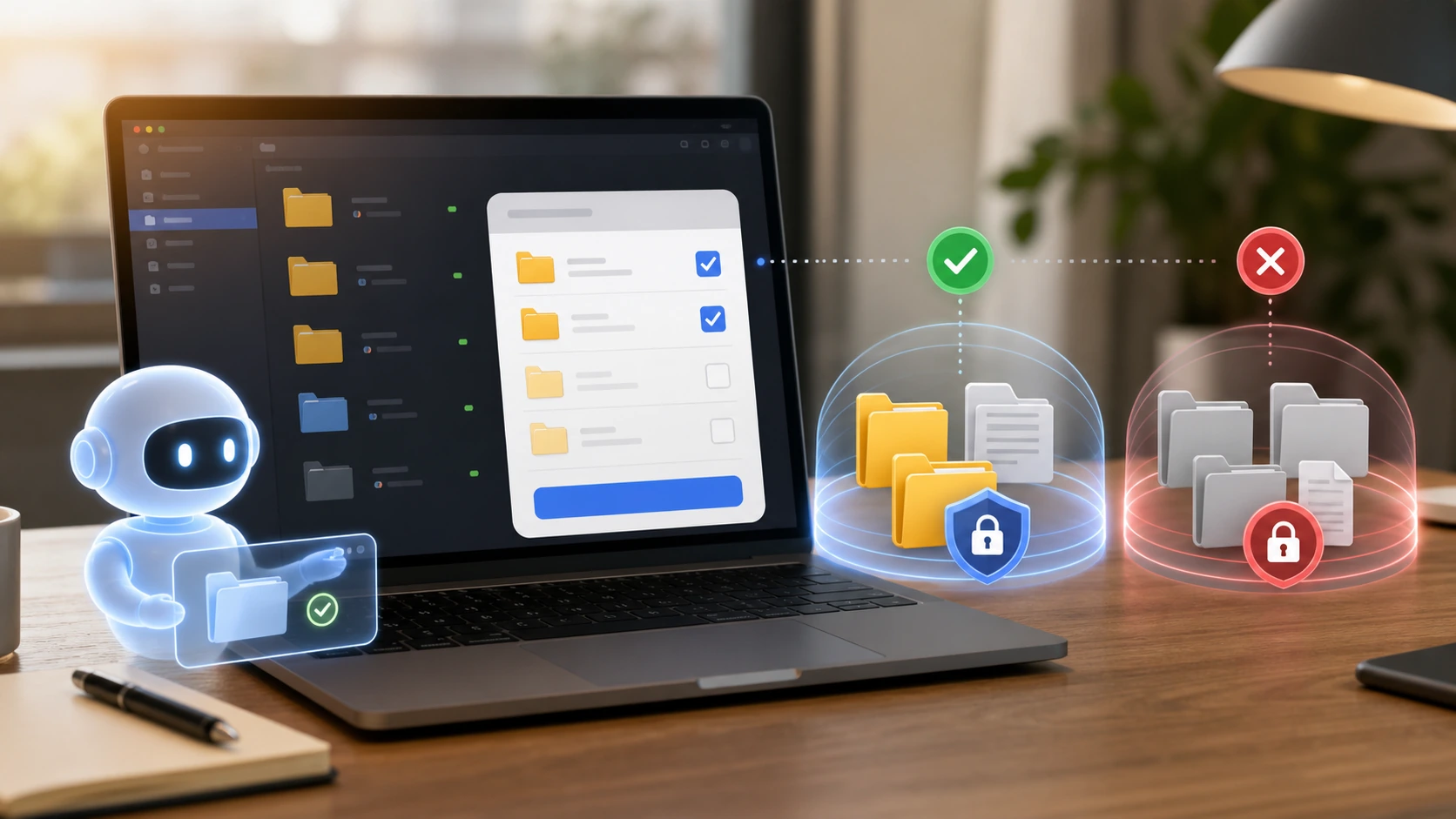
Why is Claude always used to write long articles and change code? Because it gives people the feeling that they are not in a hurry to answer, but are willing to read a bunch of materials slowly, and then give you a result with a more stable structure. Anthropic's recent updates are moving in this direction, with memory, file creation and editing, and external tool access all making it more like a patient editor and assistant.
What kind of person is it more like?
It is more like an editor who can read, revise, and read the context. When you give it a bunch of meeting minutes, product descriptions, design documents, or code snippets, it usually doesn't draw conclusions based on just one keyword, but prefers to sort out the context before outputting a usable version. This sense of stability is important for content teams and developers.
The best scenario for it
- Long article rewriting: Organize scattered material into more smooth articles, proposals, or explanations.
- Code review: look at logic, change structure, and find potential problems.
- Document Comprehension: Suitable for handling content with high information density and long contexts.
If you're dealing with contracts, research notes, PR reviews, technical proposals, etc., Claude is often more worry-free than regular chat. It may not give you the most amazing answer every time, but it can often give you a more complete and attractive version that you only need to polish a little more later.
When it's not the first choice
If you need real-time searches, source citations, and quick fact-checking, Perplexity tends to be more straightforward. If you want a large-scale ecological linkage, such as email, calendar, and documents working together, Gemini will be more trouble-free. The advantage of Claude is not all-scenario take-all, but stable output in long contexts.
So many people like to use Claude, not because it's the most fancy, but because it's more like a reliable person in long missions: you can read it, you can fix it, and you will be less biased.