The choice between open source and closed source models is a problem that many teams cannot avoid when working on AI projects. On the surface, one is freer and the other is more hassle-free, but when it comes to making a choice, the deciding factor is often not "which side do you prefer", but budget, data requirements, deployment capabilities, and business goals. Because of these different premises, the answers may be completely different for the same company and the same project stage.
If you only look at it from the perspective of "parameter scale" or "online popularity", it is easy to choose a bias. The advantages of open source models are usually controllable, deployable, and customizable. The advantages of closed-source models are often stable effects, quick start-up, and ecological perfection. The key is not who is definitely stronger, but who is better suited to the problem you are currently solving.
The first point of judgment: data and privacy requirements
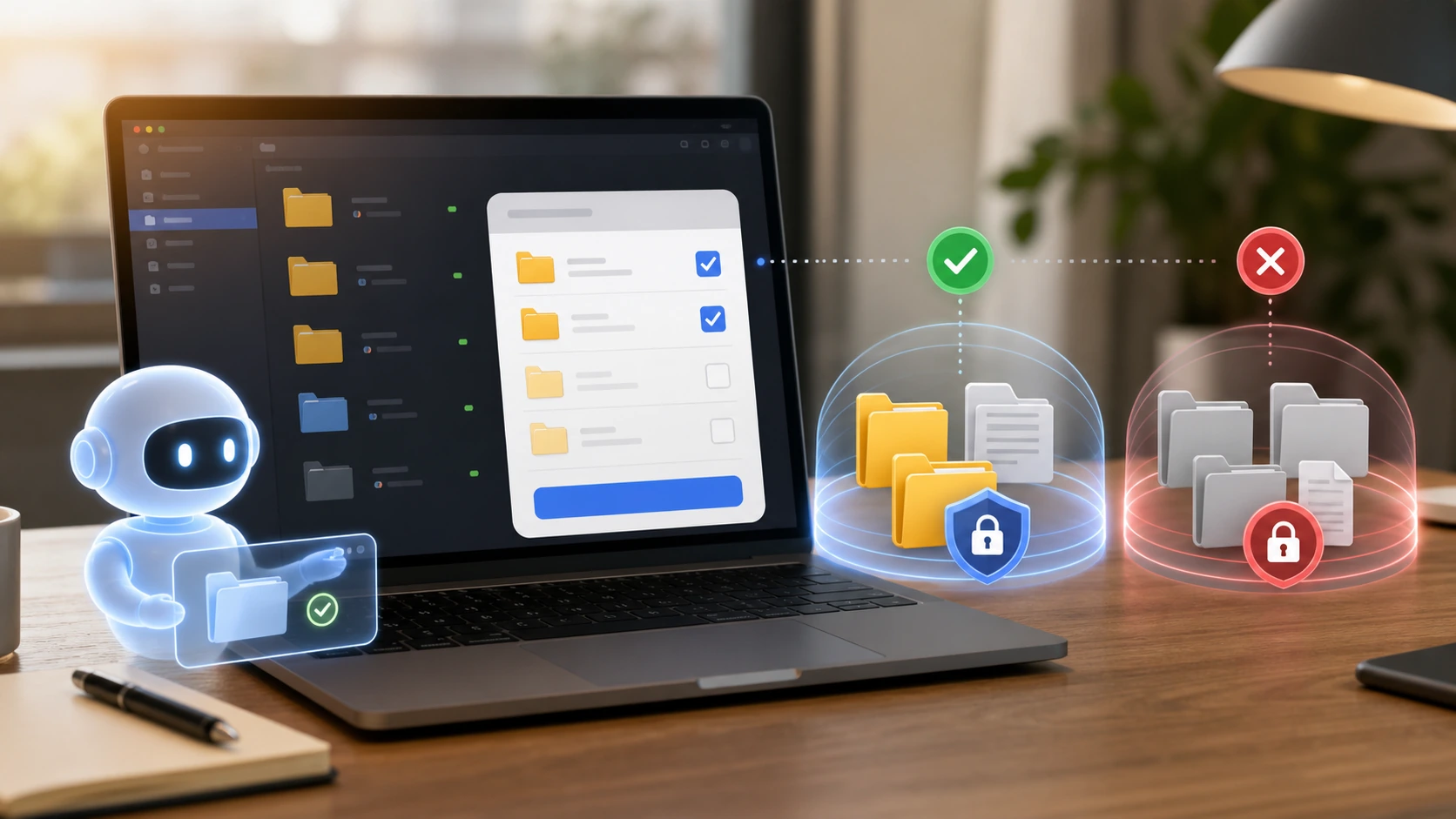
If your business involves sensitive data, internal documentation, or regulated information, an open source model plus a private deployment can be more attractive. Conversely, if the data risk is not high, direct calls to mature closed-source services tend to advance faster.
The second judgment point: whether the team has O&M capabilities
The open source model does not end after downloading, but also includes inference services, performance tuning, version updates, and stability maintenance. If the team lacks this capability, the closed-source model is usually more worry-free.
The third and fourth judgment points: cost structure and effect requirements
- With low call frequency and rapid changes in demand, closed-source models are usually more flexible.
- With a large number of calls and long-term cost control, the open source model may be more worth investing in.
- If you're looking for the strongest experience at the moment, closed-source models tend to be more stable.
- If you care more about controllability and customizable space, the open source model has an advantage.
Therefore, open source and closed source models are not black and white queue questions, but a business multiple-choice question. Ordinary teams first understand the four judgment points of data, operation and maintenance, cost and effectiveness, and then make decisions, usually not too outrageous.