RAG is an AI concept that has been frequently mentioned recently, and many companies will encounter it when doing customer service, internal Q&A, and knowledge base searches. To put it simply, the full name of RAG is retrieval-augmented generation, which does not let the model answer questions only based on the old knowledge learned during training, but first goes to external materials to find content, and then combines these materials to generate answers. It is precisely because of this step of "retrieving first and then answering" that RAG is more suitable for enterprise knowledge base scenarios than the direct question model.
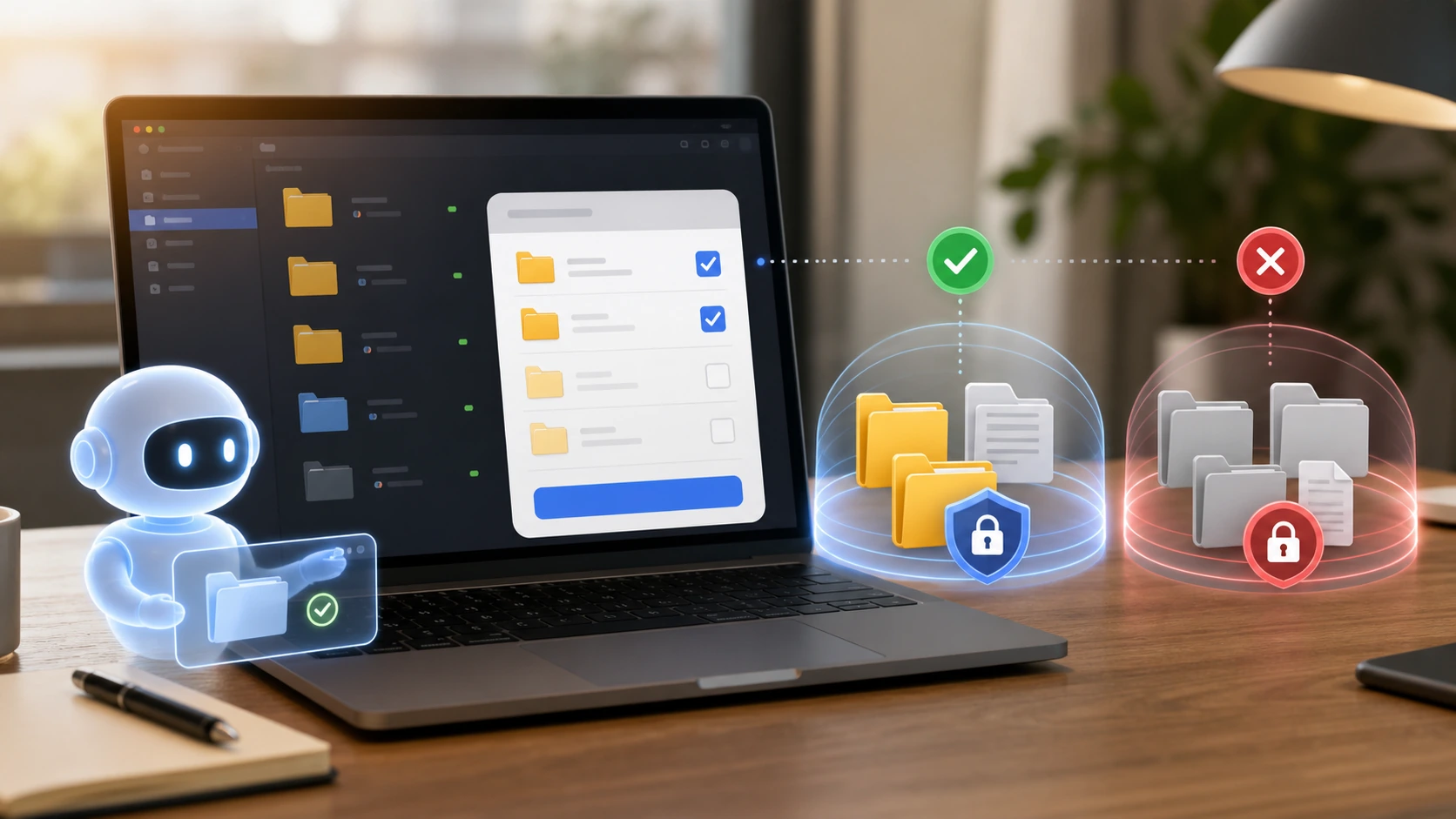
If you throw company documents, product manuals, after-sales specifications, and system instructions directly to the large model, the model may not be able to remember it stably, and it is easy to mix old knowledge with new information. The value of RAG is that it binds questions to your current database, making answers more relevant to your business and easier to trace back to the source.
Why RAG is better for enterprise knowledge bases
Enterprise knowledge often changes quickly, and a lot of information is not suitable for retraining models. For example, price rules, interface descriptions, internal processes, and training documents are updated frequently but the text itself is not complicated. RAG can slice and index this data, and retrieve relevant content in real time when users ask questions, which is less expensive than retraining and more flexible to maintain.
What is the biggest difference between it and the "direct ask model"?
Asking the model directly is more like taking the model itself to remember how much content it has memorized; RAG is more like an assistant that can check data on the model. The former answers quickly, but it is easy to say wrong seriously; The latter has an additional step of retrieval and may be slightly slower, but it is better suited for scenarios that require accuracy and traceability.
When should enterprises consider using RAG?
- The documentation is plentiful and is updated frequently.
- The questions asked by users rely heavily on internal information rather than public common sense.
- Hope that the answer can cite the original text, screenshots, or knowledge sources.
- For the time being, I don't plan to invest in high costs for special fine-tuning training.
Therefore, RAG is not a "smarter model", but a way of working that is more suitable for enterprises. As long as your business problem relies on up-to-date documentation, internal knowledge, and verifiable sources, RAG is often more reliable than "ask the model directly."