Let's talk about the conclusion first
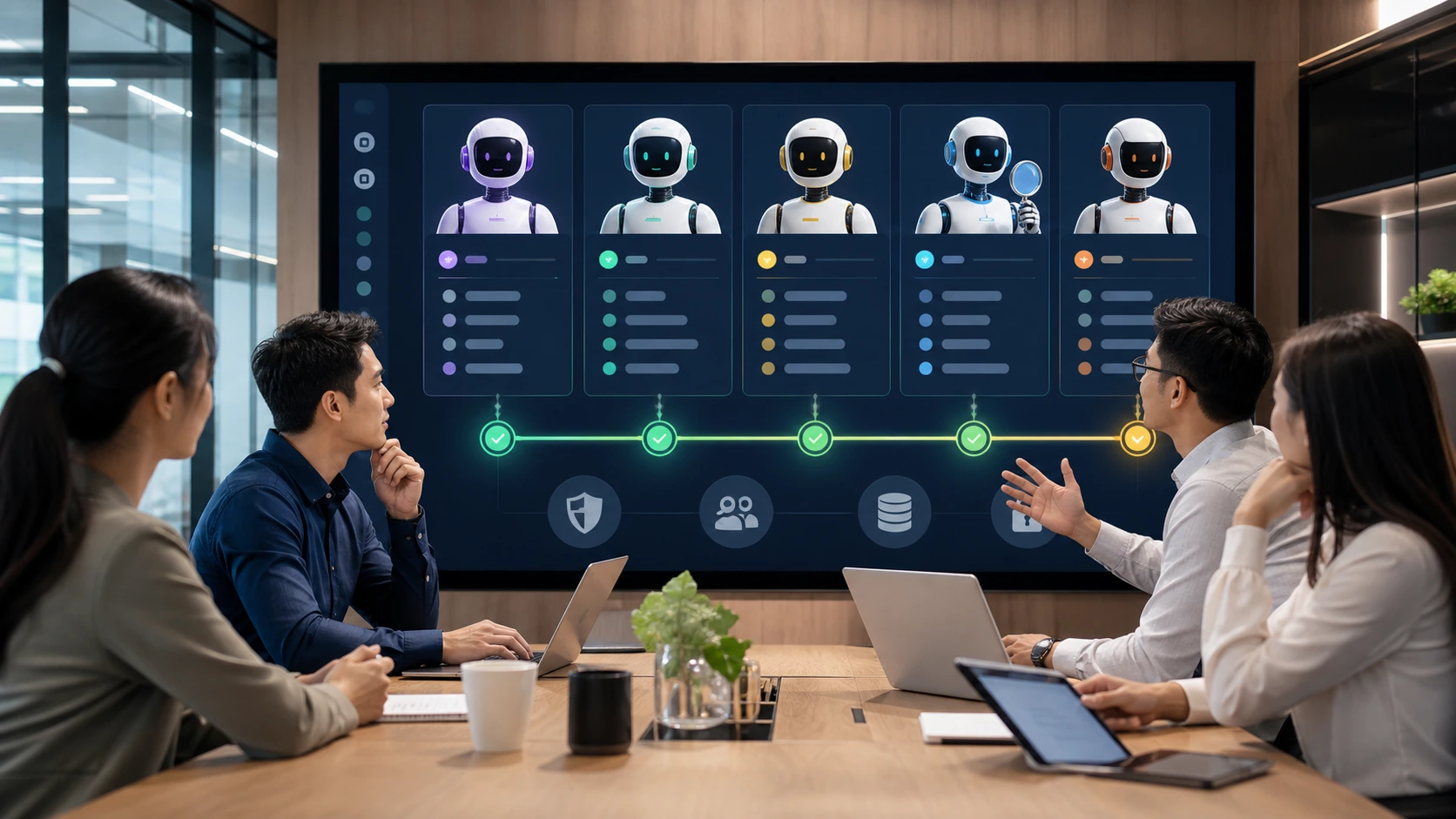
AI Agent can be understood as a type of AI system that "not only answers, but also disassembles tasks, calls tools, and executes actions on its own." The biggest difference between it and ordinary chatbots is not whether it can chat, but whether it can actively make multi-step decisions to achieve its goals.
If you often see the words AI Agent, agent, workflow, and Copilot when looking for tools on Toolnavs, the purpose of this article is to help you quickly distinguish which ones are just conversations and which ones are already "doing things".
What exactly is an AI Agent?
A more practical definition is: AI Agent = large model + target + tool call + state memory + execution closed loop.
It usually understands your goals, breaks down the task into steps, decides whether to call search, web browsing, code execution, table processing, messaging, API calls, and more, and finally returns the results to you.
Therefore, Agent is not a new model name, but more like an AI product form. The underlying model can be GPT, Claude, Gemini, or open source model; The key is whether the product has done the link of "planning, calling, execution, and feedback".
What is the difference between it and a chatbot?
| Dimensions | Chatbots | AI Agent |
|---|---|---|
| Core competencies | Understand questions and generate answers | Multi-step planning and execution around the goal |
| Whether to call the tool | Usually fewer or only single calls | Frequently call multiple tools to complete tasks |
| Result form | I give you an answer | Give you a process plus results |
| Suitable for the scene | Q&A, polishing, summarizing, inspiration | Research, sort, publish, analyze, automate |
You can understand chatbots as "talking assistants," while AI Agents are more like "assistants that can take tasks." The former is more about outputting content, while the latter is about completing goals.
What is the difference between it and AI workflows?
AI workflows are usually fixed processes designed in advance, such as crawling forms→ categorizing→ writing summaries→ sending to Feishu. This type of process is stable, controllable and easy to reuse.
AI Agent places more emphasis on dynamic decision-making. It doesn't write death in advance at every step, but judges what to do next based on the context of the task. The more open the task and the more variables, the more obvious the advantages of the agent.
In a word, the distinction is:
- Clear and repetitive processes: Prioritize workflows
- Clear goals and uncertain paths: Better suited for AI Agents
What are the typical capabilities of AI Agents?
- Task disassembly: "Help me study competing products" is divided into several links: retrieval, screening, summary, and output
- Tool call: It can use search, browser, table, code executor, knowledge base and other capabilities
- Contextual memory: Remember goals, constraints, and previous steps
- Self-correction: If you find insufficient information or abnormal results, re-search or change your approach
- Result delivery: Wrap the process into documents, tables, checklists, reports, or actionable actions
What scenarios are suitable for using AI Agent?
- Do a round of in-depth research that brings the source, not just one answer
- Automatically organize clues, knowledge bases, daily reports, weekly reports, and meeting minutes
- Help the team with data collection, competitor analysis, FAQ archiving and content distribution
- Perform multi-file modification, testing, debugging, and pre-deployment checks in development scenarios
What scenarios don't require an agent?
If your only needs are to "write a copy", "translate a piece of content", "polish the email", and "summarize this article", ordinary chatbots are usually faster, more cost-effective, and easier to control the results.
Many products like to package all AI functions as agents, but in practice, not every task needs to be executed in multiple steps. When the task is simple enough, the agent will increase costs, wait times, and uncertainty together.
When looking for a tool on Toolnavs, how can you tell if it is a "real agent"?
- See if it supports browsers, search, code, tables, external API calls, and more
- See if it can be executed continuously around the goal, rather than requiring you to push manually at every step
- See if it can preserve task state, handle intermediate results, fall back, and retry
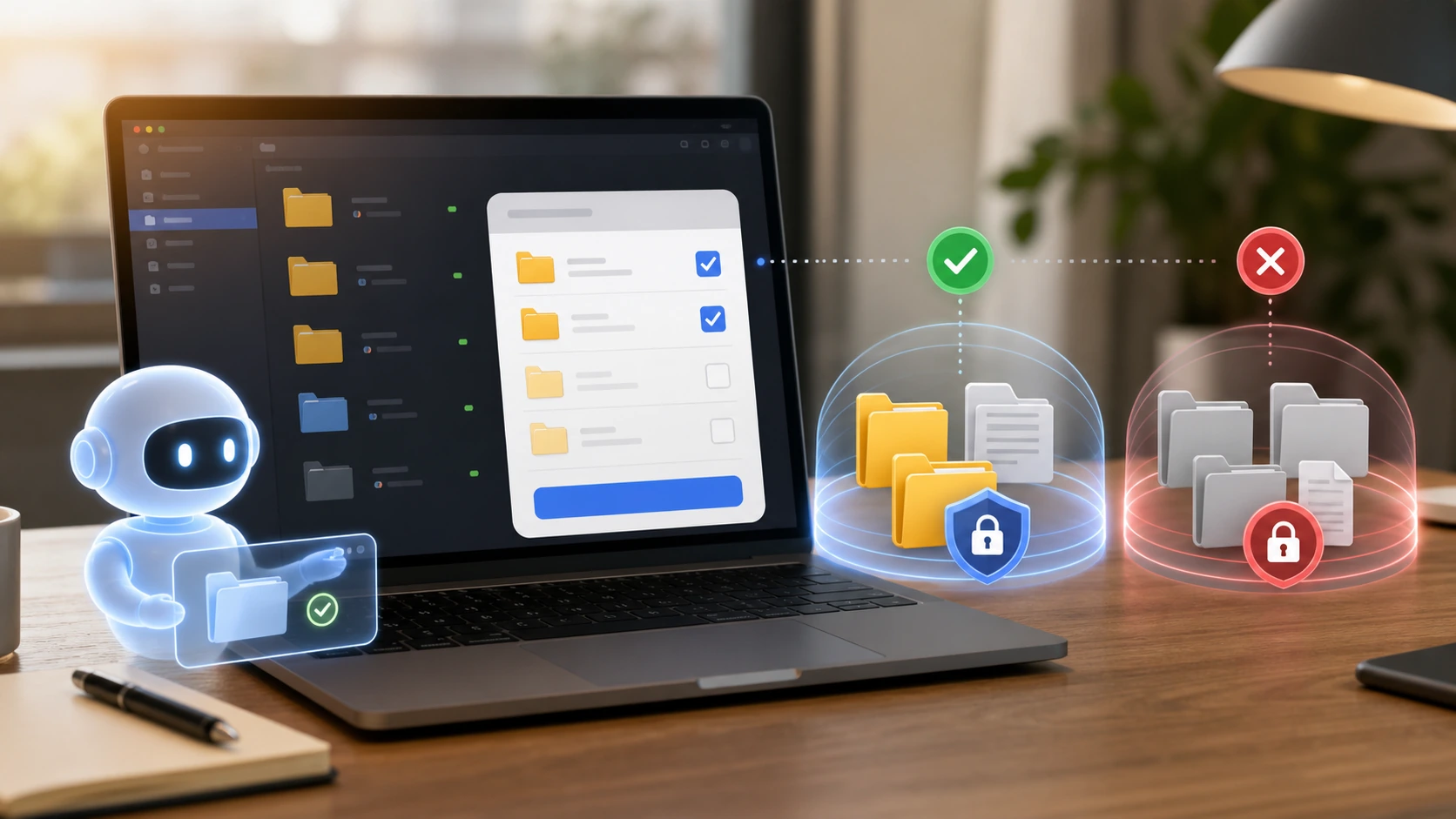
- See if it has approvals, logs, step tracking, which determines whether it is suitable for teams
If a product is just "you ask, it answers", even if it is packaged similarly, it is closer to a chatbot; If it can plan and complete a task link on its own, it will be closer to a real AI agent.
Final summary
AI Agent is not an "AI that is better at chatting" but "an AI that is better at completing tasks". Chatbots solve answering questions, workflows solve fixed processes, and agents solve problems with goals but unfixed paths.
For most Toolnavs users, understanding the difference between the three is more important than blindly chasing new terms. When choosing a tool, first look at whether your task is "just a question is enough" or "you need AI to actually do something for you", and the answer is usually clear.