DeepSeek V4is pushingHuawei Shengteng chipsto the stage. According to The Information, DeepSeek specially postponed the release time in order to allow the V4 to run on Huawei's latest Shengteng platform, and rewritten some of the underlying modules with Huawei and Cambrian. If released as scheduled in the next few weeks, this will directly test whether domestic AI chips can catch cutting-edge models.
Why the release time of V4 moved later?
The message said that DeepSeek spent several months adapting software and hardware. The goal is not a simple migration, but to make V4 run stably on Huawei's latest Shengteng chips.
This adjustment breaks common processes in the industry. Before the release of large models, manufacturers usually open early access to chip companies such as Nvidia and AMD in advance for optimization, and DeepSeek gave priority to Huawei and the Cambrian.
What problem does Shengteng 950PR want to solve?
According to clues, Huawei's Shengteng 950PR unveiled in March this year is equipped on the Atlas 350 accelerator card. The computing power of a single card is claimed to be 2.87 times that of H20. It is equipped with 112GB of video memory and a memory bandwidth of 1.4 TB/s.
More importantly, it supports FP4 low-precision reasoning. For large model deployments, FP4 can significantly compress memory consumption, allowing the same hardware to carry larger parameter models or higher concurrent requests; the price is 600W power consumption, which is about twice that of H20.
From training obstruction to reasoning substitution
The British "Financial Times" previously reported that DeepSeek had tried to use Huawei Shengteng to train follow-up models, but encountered stability, interconnection speed and software tool chain problems, and eventually returned to Nvidia for training. Domestic chips took on more reasoning tasks.
If V4 can run directly on Shengteng now, at least it means that substantial progress has been made in adaptation in the past. What China's AI industry really wants to verify is not "complete substitution", but to first make the reasoning link into a usable, deployable and replicable domestic solution.
Domestic computing power begins to compete for model entry
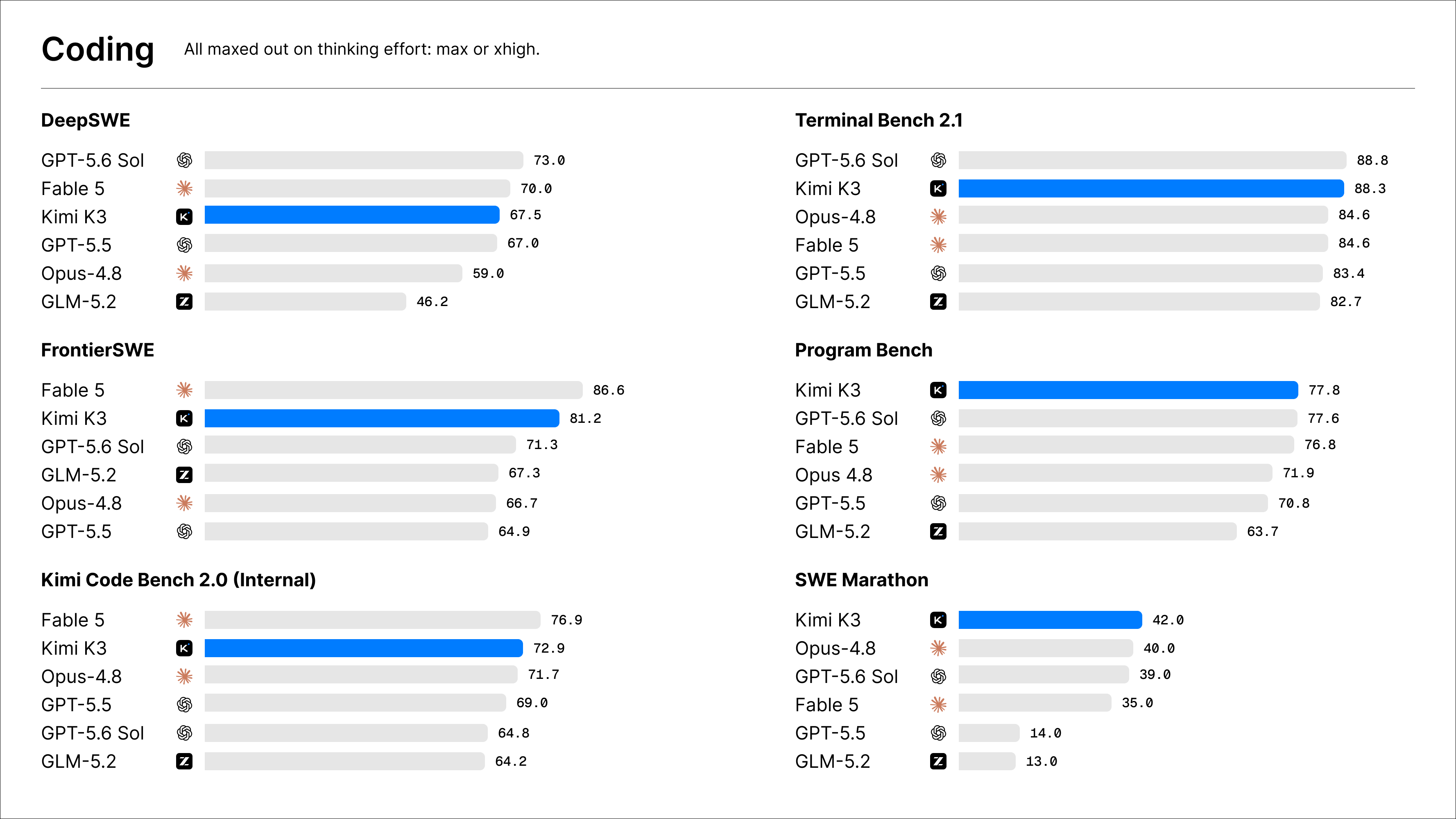
For developers, the significance of this matter is that cutting-edge models may not only be bound to overseas computing power in the future. As long as V4 is close to Claude and ChatGPT in terms of long contexts and programming tasks, domestic chips will no longer be just an option, but will enter the mainstream deployment list.
If DeepSeek V4 succeeds in this step, the competition point of domestic AI chips will shift from "whether it can be done" to "whether it can support high-value model services." This is closer to industrial reality than a single parameter breakthrough.