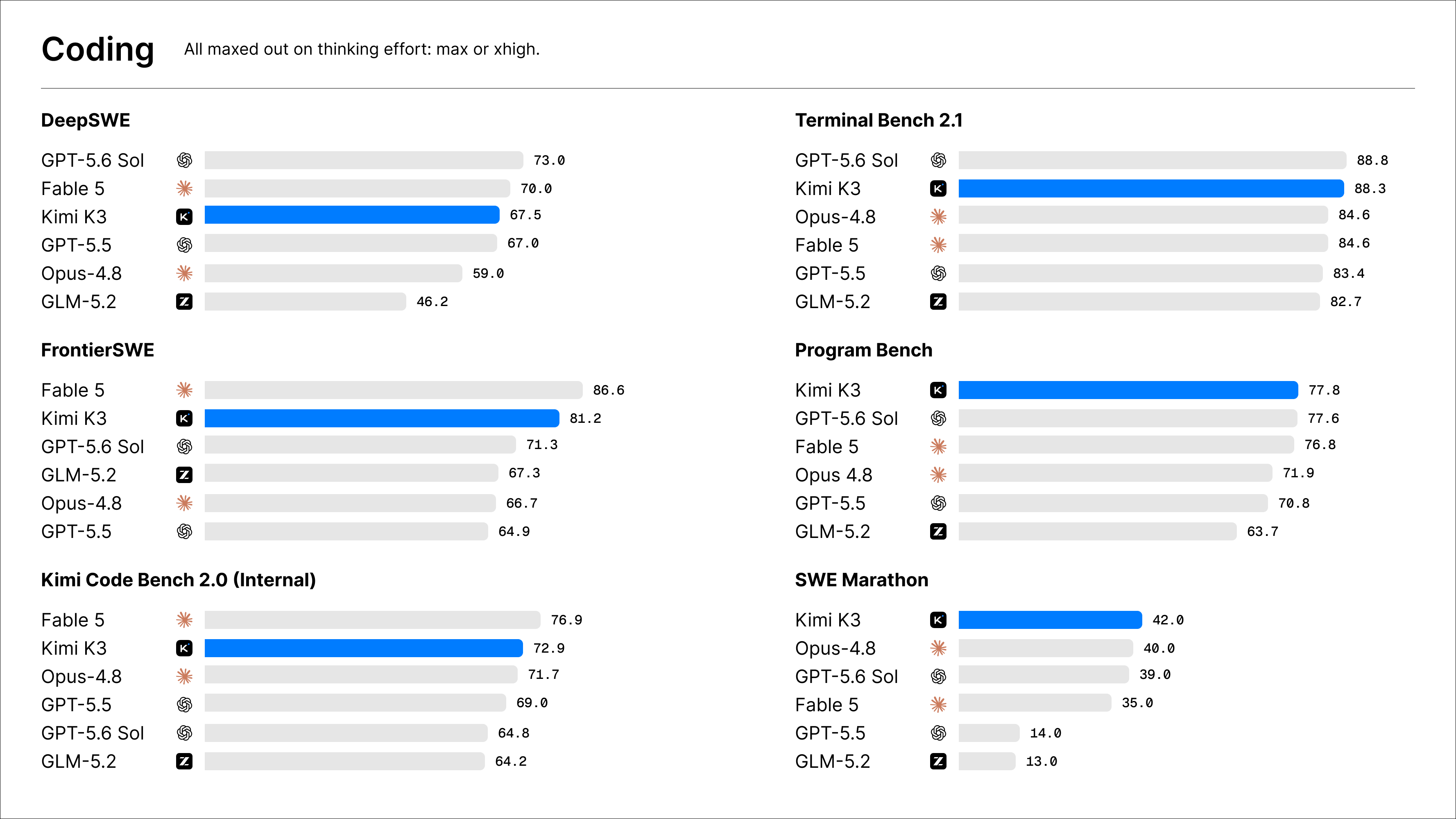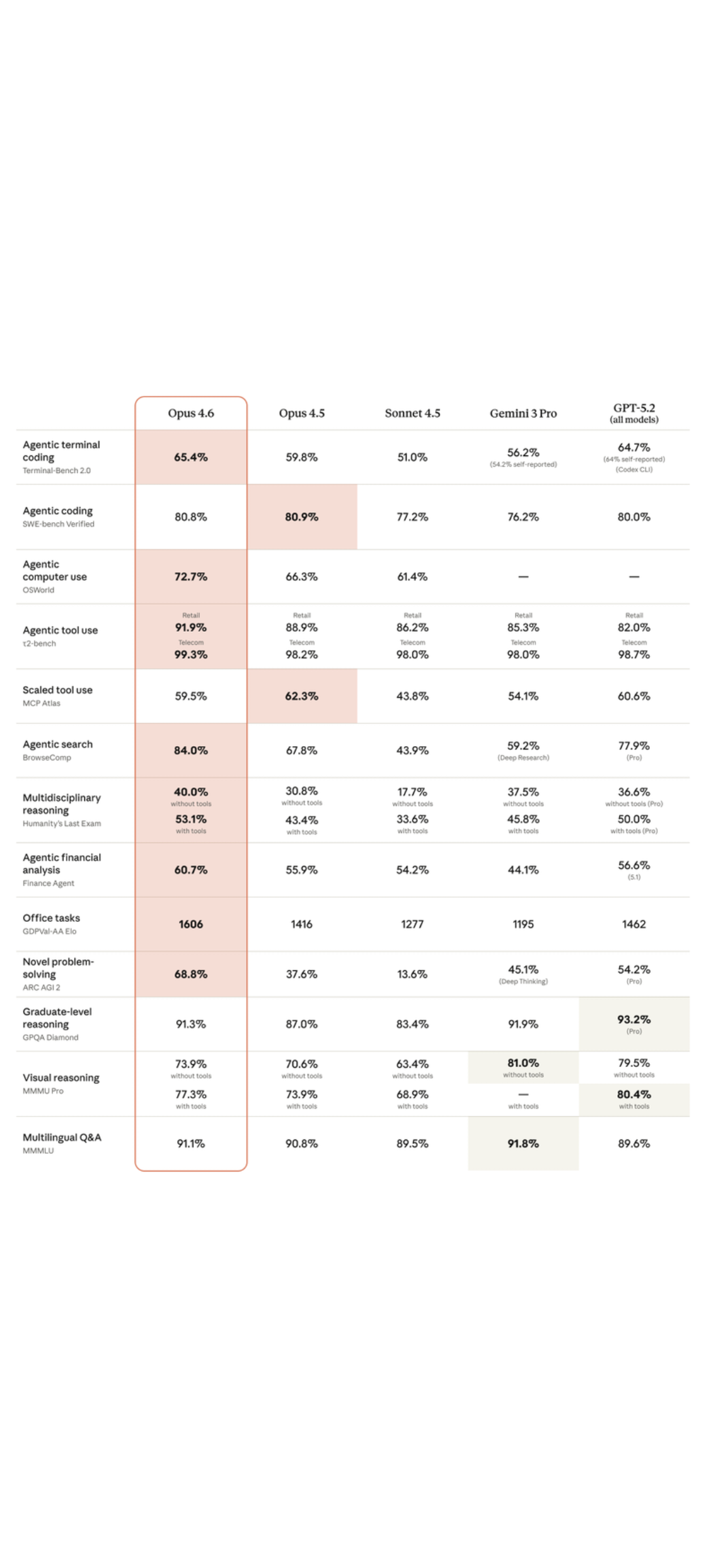
Anthropic has released a new generation of its flagship model, the Claude Opus 4.6. The model has been upgraded in terms of planning capabilities, long-term task continuity, and stability in complex code environments, and is currently positioned as the most intelligent version of the Opus series. The official introduction points out that Opus 4.6 can maintain consistency for longer periods of time when performing multi-step agent-based tasks, and has stronger self-correction capabilities.
In terms of technical features, Claude Opus 4.6 further optimizes the understanding and operation of large codebases, making it suitable for enterprise-level software development and maintenance scenarios. At the same time, this release became the first Opus-class model to enter testing and support millions of context lengths, giving it an advantage when dealing with extremely long documents, complex project histories, and multi-round collaboration information. The relevant functions are still in testing, and the specific scope of application is subject to the official follow-up instructions.
Overall, the release of Claude Opus 4.6 is seen as an important step in Anthropic's direction of high-end general-purpose models and agent-based AI, but in practical applications, long contexts and automation capabilities still need to be carefully deployed in combination with usage scenarios.
FAQs
Q: What type of model is the Claude Opus 4.6?
A: Claude Opus 4.6 is a flagship general-purpose AI model for high-complexity tasks.
Q: Who released Claude Opus 4.6?
A: This model is released by Anthropic.
Q: What are the major upgrades in Claude Opus 4.6?
A: It is mainly reflected in planning ability, long-term task execution, code understanding and self-correction.
Q: What is a million-level context window?
A: It means that the length of text that the model can process and memorize at one time is significantly increased, which is suitable for ultra-long content analysis.
Q: Is Claude Opus 4.6 fully available?
A: Some features are still in beta and have not yet been fully disclosed.