Back to AI information
PixVerse releases the R1 real-time world model, featuring 1080P interactive unlimited video streaming

PixVerse releases the R1 real-time world model, featuring 1080P interactive unlimited video streaming

AI information Admin 108 views

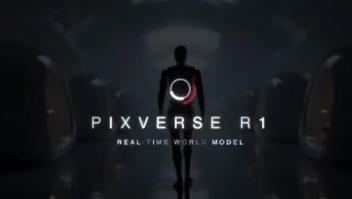
PixVerse Research published a technical article on PixVerse-R1 and launched a page related to "Real-time Generate", calling R1 a "real-time world model", which can expand video generation from fixed-duration clips to sustainable, interactive visual streams, and the picture will change instantly with user input. The official also claims that it can achieve real-time generation experiences of up to 1080P and position it as the basic capability for interactive images, AI-native games and immersive content.

According to its technical description, R1 consists of a multimodal foundation model, a memory and autoregressive mechanism for long-temporal consistency, and an instant response engine for low latency, with the goal of fast generation with fewer sampling steps. The page provides entrances such as "Start Live Generation", but the R1 page has not yet given complete details regarding the disclosure API, computing power threshold, commercial licensing and specific charging methods. The existing PixVerse platform will still be billed on a points/credit basis.

The official also hinted in the report that there may be error accumulation in long-term continuous generation, and some physical details and accuracy may need to be trade-off between effect and calculation to achieve real-time performance.

FAQs

Q: What is the product positioning of PixVerse R1?

A: PixVerse positions itself as a "real-time world model," emphasizing continuous generation and instant interaction, rather than just generating fixed-duration short videos.

Q: When will PixVerse R1 be publicly released?

A: PixVerse Research published a technical article and related experience page for R1 on January 12, 2026.

Q: What are the key capabilities that PixVerse R1 can achieve?

A: The official claim is that it can generate up to 1080P in real time, and maintain continuous picture and content evolution under continuous user input.

Q: How can ordinary users experience PixVerse R1?

A: The official provides a real-time generation portal and a "Discover" page, where you can choose a theme or custom prompt for interactive generation.

Q: What are the limitations and risks of PixVerse R1?

A: The official prompt long sequence may accumulate errors; To reduce latency, real-world physical detail may not be as fine as non-real-time scenarios.

PixVerse Research publishes PixVerse-R1 technical articles and launches real-time generation pages PixVerse R1 claims to be a "real-time world model" and 1080P real-time generation has sparked heated discussions PixVerse-R1 turns videos from fixed-duration to sustainable, interactive visual streams PixVerse Research released R1 on January 12 and opened the Start Live Generation portal PixVerse R1 real-time generation can change instantly with input, but the pricing details are still missing PixVerse R1 lists on the Real-time Generate page, but does not announce the public API and thresholds PixVerse R1 positions interactive images and AI-native game bases, but the commercial license is unclear PixVerse Research explains the R1 multimodal + memory autoregression + low latency engine architecture in detail PixVerse R1 focuses on fast generation with fewer sampling steps, but there is a trade-off for accuracy PixVerse R1 claims to offer up to 1080P real-time experience, but the hashrate requirement remains a question mark The PixVerse platform still pays for points on the R1 page, but does not give a specific charging method PixVerse R1 emphasizes continuous generation and instant interaction, challenging traditional short video generation PixVerse R1's "real-time world model" concept has landed and the interactive content track has heated up again PixVerse R1 is open to the Discover experience, but the API and commercialization path are still undecided PixVerse Research acknowledges that long-term error accumulation in R1 is key to real-time stability PixVerse R1 sacrifices realism and speed for low latency PixVerse-R1 Sustainable Visual Streaming sounds amazing, but the fine print is missing PixVerse Research pushes R1 to generate engine in real time, with fewer targets and faster responses PixVerse R1 redefines authoring by expanding video generation into "interactive streams" PixVerse R1 targets immersive content foundational capabilities, but commercial licensing has not yet been specified PixVerse R1 real-time generation portal launches an interactive experience that ordinary users can use prompts for PixVerse Research has released R1 technical notes emphasizing the mechanism of long-temporal consistent memory PixVerse R1 gives the user control of the picture input, and the real-time changes are more like "live video" The PixVerse R1 page lacks public API information, and the developer ecosystem is still to be opened PixVerse R1 claims what 1080P real-time generation means for interactive images Can PixVerse R1's low-latency instant response engine support AI-native games? PixVerse Research calls R1 a real-time world model, sparking debate on definitions and boundaries PixVerse R1 still uses points/credits to generate costs in real time or become the focus PixVerse R1 "Start Live Generation" is live, but the hashrate threshold is not transparent PixVerse R1 has been continuously generated for a long time, and the risk of error accumulation has been warned in advance PixVerse R1 has entered the era of real-time interaction from short films to continuous world streaming AI videos PixVerse Research's R1 architecture is a three-piece multimodal + memory + autoregressive exposure PixVerse R1 pursues fewer sampling steps, and the cost behind real-time generation speed is geometric The real physical details of PixVerse R1 may not be as straightforward as the official trade-offs of non-real-time solutions Will PixVerse R1's sustainable generation and content evolution capabilities rewrite interactive content production? PixVerse R1 has launched the Real-time Generate page, but the commercialization rules have not yet been completed PixVerse Research released R1 on January 12, 2026 and opened the experience page at the same time PixVerse R1 emphasizes whether the continuous picture consistency memory mechanism can solve the drift problem PixVerse R1 turns "generative video" into "generative world", positioning ambition and challenges coexist PixVerse R1's basic capabilities for immersive content claims depend on latency and quality PixVerse R1 Experience Path Exposure Discover Optional themes or custom prompts for real-time interaction PixVerse R1 has incomplete public information, and API fee authorization gaps have become the biggest uncertainty PixVerse Research suggests that R1's real-time performance requires a trade-off between effectiveness and computation PixVerse R1 claims to generate 1080P in real-time, but the accuracy of details may be discounted PixVerse R1 real-time interactive visual flow may become a key technology puzzle for AI-native games The release of PixVerse R1 technical articles has sparked a debate about whether the "real-time world model" is exaggerated The PixVerse R1 page does not write about commercial licensing and charging methods, and users are still most concerned about cost PixVerse Research bets on the interactive image track with R1: The era of real-time generation is coming

Recommended Tools

More