1. Company positioning and product line
Unitree Robotics is a company that started with footed robots, positioned to make high-performance quadruped robots and general-purpose humanoid robots, so that embodied AI can be used in practical scenarios.
The product line is roughly divided into three parts: the Go series quadruped robot for players and education; B and A series robot dogs for industrial and special scenarios; In addition, humanoid robots H1/H2, G1, R1, etc. have been invested in recent years, and are also equipped with self-developed joint motors, robotic arms and 4D lidar.
2. Core technical characteristics
The quadruped platform is known for its mobility and cost-effectiveness, and models such as Go2 are equipped with wide-angle lidar and multi-eye cameras as standard, supporting autonomous navigation, obstacle avoidance and simple loads, and can access their own algorithms through open source interfaces. The industrial B2 and A2 emphasize endurance, load and environmental adaptability, and are suitable for inspection, surveying and mapping, exploration and other tasks.
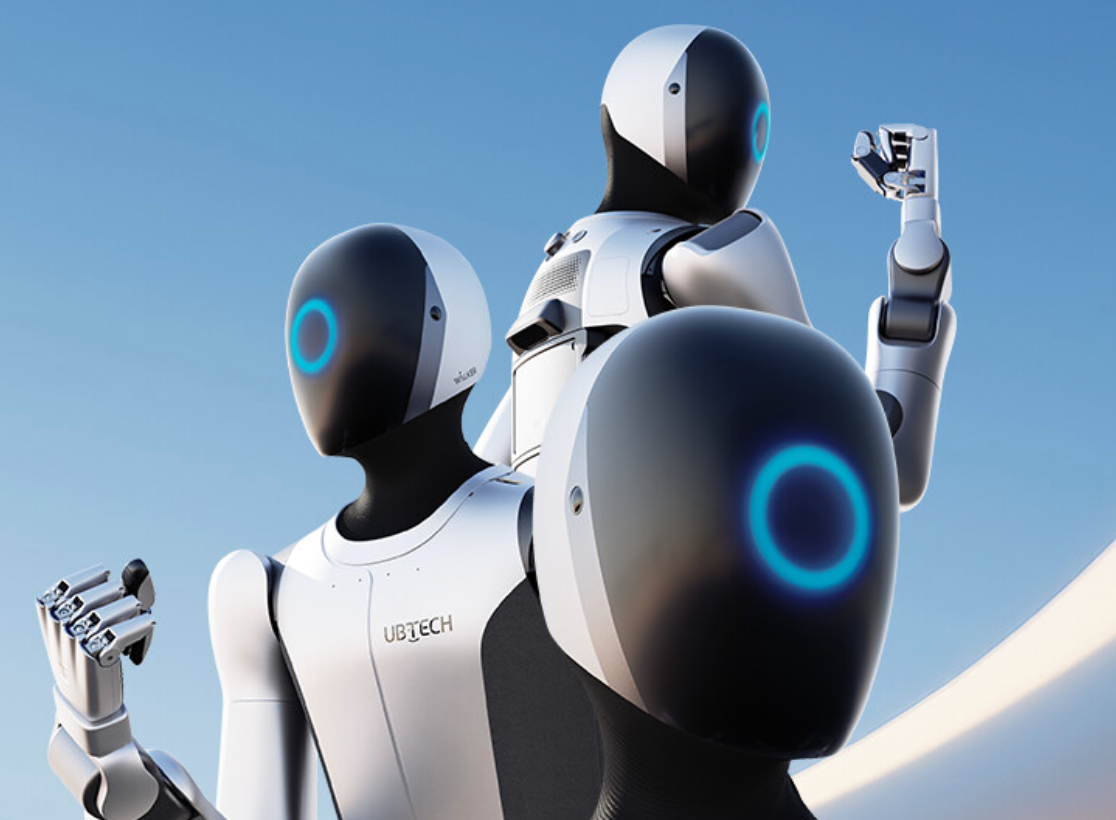
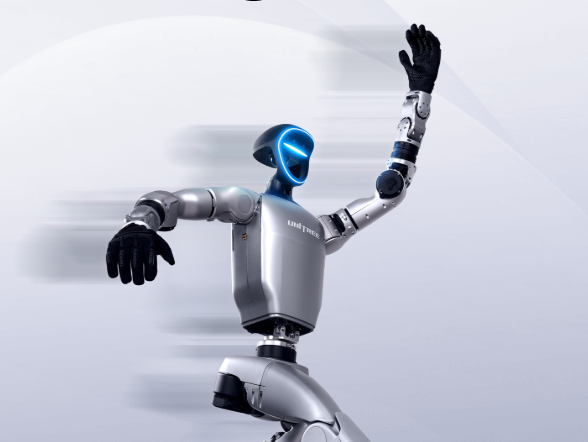
In terms of humanoid direction, H1/H2 is a full-size bipedal robot, close to adult height, with a self-developed high-torque motor and lightweight body, allowing it to complete high-dynamic actions such as running, jumping, and rolling; Models such as G1 and R1 are more oriented towards the experimental and developer markets, providing low-cost humanoid platforms for scientific research and algorithm teams.
3. Application scenarios and user value
For universities and research institutions, Unitree provides relatively "off-the-shelf" foot and humanoid carriers that can be used for topics such as motion control, reinforcement learning, navigation perception, and multi-robot systems, avoiding self-made hardware from scratch.
For enterprise users, quadruped robots can undertake tasks such as security patrols, factory or park inspections, underground and field exploration; Humanoid robots are more suitable for use as prototype platforms for early verification and concept projects in intelligent manufacturing, unmanned warehouses, and display marketing.
For enthusiast individual users, the Go series takes into account both price and playability, and can be used as both coolplay equipment and a personal entry-level robot platform.
Q&A Frequently Asked Questions
Q1: Is Yushu currently a "robot dog company" or a "humanoid robot company"?
A: It started with robot dogs, but now it has formed a combination route of "quadruped + humanoid + component", robot dogs are more mature, and humanoids are more in the stage of rapid iteration and scene testing.
Q2: If you do scientific research, give priority to quadrupeds or humanoids?
A: If you want to study motion control, navigation, multi-robot collaboration and have moderate requirements for operation difficulty, the quadruped platform is more suitable; If the focus is on humanoid structure control, full-body coordination, and high dynamic movements, the humanoid H series has more room for research, but the threshold and risk of getting started are also higher.
Q3: Is it suitable for ordinary individual players to directly get on the humanoid robot?
A: The budget and development capabilities are more demanding, so it is generally recommended to start with the Go series quadruped, familiarize yourself with the ecology and development tools, and then consider the humanoid platform.
Q4: What do I need to pay attention to in terms of safety and compliance with these robots?
A: Whether it is a quadruped or a humanoid, it is necessary to reserve a safety distance, set emergency stop switches and physical limits during actual measurement, and pay attention to system updates and network security when using the network to avoid unauthorized access and control.